
Tomoo attends five to six meetings a day at UNICEF. He supports developing countries through policy advice and financing, which means constant collaboration across teams, institutions, and time zones. Live panels with global experts. Virtual workshops. Hybrid strategy sessions with a dozen stakeholders.
Facilitation isn't a nice-to-have in Tomoo's world. It's the job.
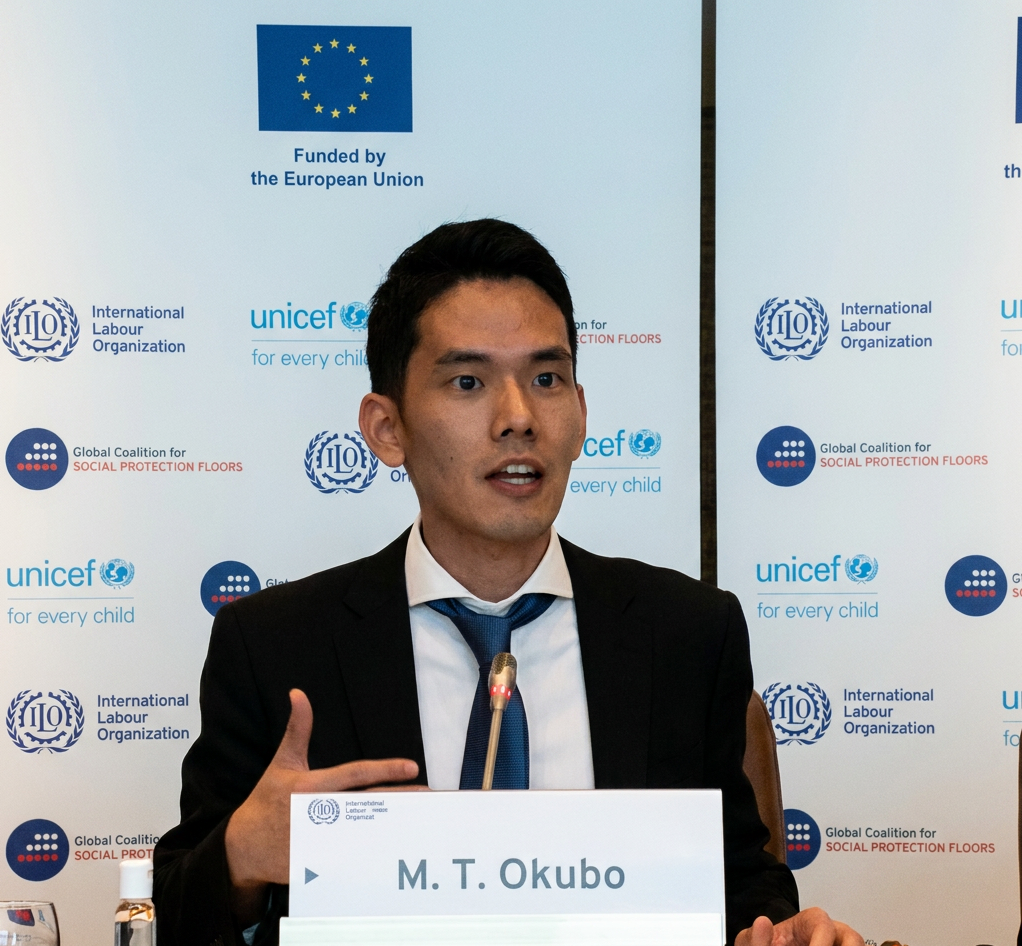
But for years, he was winging it.
The problem: all instinct, no foundation
Tomoo had picked up tricks along the way. Energizers. Agenda planning. The basics you learn from reading a few books. But he never felt like he had a real foundation to build on.
"I had been asked a lot to step in and facilitate without any formal training. I liked it. I knew I had some tricks. But I always felt like I was just doing it my own way. I never felt like I knew all the building blocks from A to Z."
He compared it to riding a bicycle: you can read every book about how to ride, but at some point you need to actually get on the bike. He needed structured practice, not more theory.
He also wanted a community. Not just content he could consume alone, but real people to practice with and learn from, in a low-stakes environment where failing wouldn't cost him his reputation at work.
"I wanted to fail in a safe space, try new things that were too risky to do at work." — Tomoo Okubo, UNICEF

Why Facilitator School
After exploring multiple training programs, Tomoo chose Facilitator School for three reasons: it was virtual (which matched his remote work reality), it was structured but flexible enough to fit around a demanding schedule, and it had a strong community element built into the program.
The price point also mattered. This was a personal investment. His employer didn't require it. So he needed something comprehensive without the cost of flying to an in-person certification.
What changed
Structured learning that stuck
Unlike the books and articles he'd tried before, Facilitator School gave Tomoo a clear learning path with theory and practice woven together each week.
"I love the structure. This week we're going to learn this, next week that. And the reason you're going to learn this is because you're going to use it."
He also gained practical experience with virtual facilitation tools, something directly applicable to his daily work leading remote sessions.
A community he didn't expect
Going in, Tomoo assumed he'd be surrounded by people pursuing full-time facilitation careers. Instead, he found professionals like himself: people in HR, marketing, communications, and strategy who wanted facilitation skills to enhance the work they were already doing.
"I felt seen, like I had a group of colleagues I could relate to." — Tomoo Okubo, UNICEF
The community stuck. Tomoo returned the following year as a teaching assistant, leading his own small group of new participants. That opportunity emerged organically as the program evolved.
"When you're part of it, you're part of it. It's not one of those courses where you pay, you're done, you're on your own."
The results: from nervous to designing workshops
The impact was immediate. While still in the course, Tomoo started applying what he learned. First in personal community calls, then gradually in work settings.
"You learn something on Monday, digest it on Tuesday, practice with your peer group on Wednesday, and by Thursday you're thinking, 'I want to test this in the real world.'"
Today, the transformation is complete. Tomoo recently designed and ran a four-week strategic reflection workshop for a team of 10 colleagues, a hybrid session he facilitated with full confidence.
"Facilitating even a 30-minute meeting used to make me very nervous. Now I design the agenda, I design who should be in the meeting and the outcome of it. I use different tools and theories and activities to get a group to a conclusion they want to achieve."
Beyond specific meetings, Tomoo now sees his entire role through a facilitation lens. Projects that span weeks or months become macro-versions of a well-designed meeting. And the results follow.
"There are so many people who want to do good. They have great intentions, skills, and knowledge. I love that I can take a traffic control role and make sure it all flows into actually doing good. It feels very rewarding, very creative, and very impactful."